

Dipti Fire Services supplies and supports marine safety equipment for B2B vessel, offshore and industrial requirements in India. This page is the product doorway: it helps a buyer choose the right technical category before moving to a detailed LSA, FFA, SCBA or life raft page.
Core Product and Service Categories
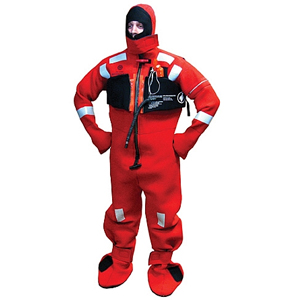
Shipboard LSA supply and service support covering life jackets, immersion suits, liferafts and other survival-equipment requirements.
View details →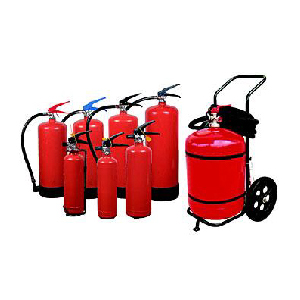
Portable extinguishers, fixed fire-extinguishing systems and associated marine FFA supply and service requirements.
View details →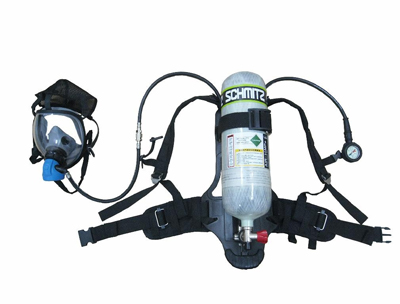
Self-contained breathing apparatus supply, servicing, cylinder-related requirements, spares and marine support.
View details →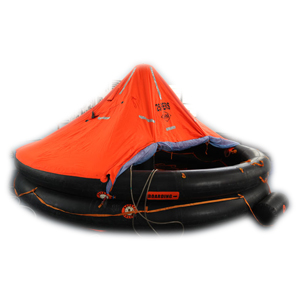
Liferaft servicing, supply, exchange and time-sensitive vessel support, subject to applicable service-station scope.
View details →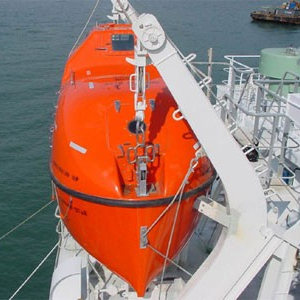
One point of contact for mixed LSA, FFA, SCBA, lifeboat, calibration and other shipboard safety requirements.
View details →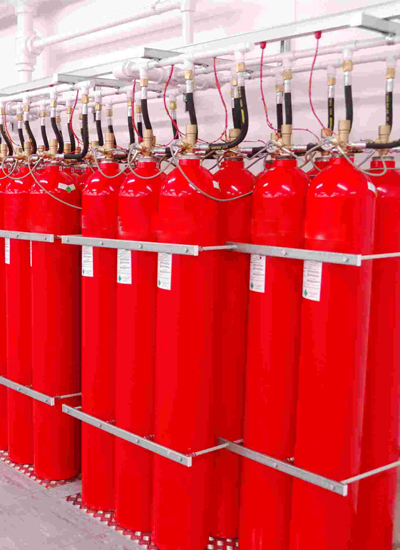
Review class, statutory and quality credentials together with the documentary evidence relevant to your requirement.
View details →The categories above lead to detailed pages for the equipment or service concerned. Buyers can use those pages for specifications, scope questions and RFQ guidance, while this page remains the commercial overview of Dipti Fire Services’ principal marine-safety capabilities.
How to Specify Marine Safety Equipment Correctly
A purchase request should be specific enough that the supplier does not have to guess the vessel requirement. For replacement equipment, photographs of the existing item and its nameplate can be as useful as a long description. For a new installation or class-sensitive item, send the approved specification or the relevant standard/approval requirement.
| Buying situation | Information worth sending |
|---|---|
| Direct replacement | Existing maker/model, part number, dimensions/connections, approval and photograph. |
| New equipment | Application, required standard/approval, quantity, vessel type and technical specification. |
| Service + spares | Fault/condition, service history, serial number, photos and parts known to be required. |
| Fleet procurement | Preferred standardisation, vessel list, annual demand, approved makers and logistics locations. |
LSA, FFA and SCBA Should Not Be Treated as One Generic Product Group
The phrases are often combined in procurement, but they cover different equipment and regulatory contexts. LSA relates to shipboard survival and life-saving requirements. FFA covers fire-fighting appliances and systems. SCBA is breathing apparatus used in hazardous atmospheres and is particularly relevant to ship fire-fighter outfits. Keeping the categories separate improves both safety and quotation accuracy.
Why After-Sales Capability Matters
A low-cost item can become expensive if compatible spares, authorised service or replacement components are difficult to obtain at the next port. For safety equipment that needs periodic service, buyers should consider the life-cycle support alongside the first purchase price. This is especially relevant for SCBA, inflatable equipment and system components.
Class and Certification Checks Before Ordering
Where the vessel requires a particular approval, include it in the enquiry. Do not rely on a web-page badge or the words “marine approved”. Ask for the applicable product or service documentation. Dipti Fire Services’ approval page is used for service-company credentials, while individual product certification should be checked for the item being supplied.
Marine Safety Product FAQs
Can I request LSA, FFA and SCBA in one quotation?
Yes. Send one list, but keep each item clearly specified with quantity and required approval.
Do you supply marine safety equipment outside Mumbai?
Requirements for multiple Indian ports can be reviewed. Delivery/attendance depends on location, timing and the equipment.
How do I avoid receiving the wrong replacement part?
Provide maker/model, part number or serial details, photographs and dimensions/connections where relevant.
Can you quote both equipment and servicing?
Yes where the product/service scope is supported. State whether each line requires supply, service, repair or replacement.
Need Marine Safety Equipment?
Send a line-item requisition with technical details, quantity, vessel and delivery location.
Build a Product List Around the Vessel, Not Around a Generic Catalogue
A catalogue is useful for seeing available categories, but the vessel’s approved arrangement and company purchasing standard should drive the final choice. If the requisition comes from a superintendent, include the original wording rather than rewriting it into a broad commercial term. If the requirement comes from a survey list, attach the relevant extract so the supplier understands whether the request is replacement, deficiency rectification or routine replenishment.
For fleet purchasing, standardisation can reduce long-term complexity. Using a consistent make/model across vessels may make spares, familiarisation and service planning easier, provided the equipment remains suitable for each vessel’s requirement. Procurement should therefore consider installed base and after-sales support, not only the immediate unit price.
Delivery, Documentation and Onboard Acceptance
Marine equipment supply does not end when a box reaches the port. Buyers may need product certificates, manuals, declarations, maker documents or other records before the item can be accepted onboard. State these requirements in the purchase order rather than asking for them after delivery.
For urgent vessel supply, provide the agent or receiving contact and any port-access restrictions. If the equipment needs commissioning, fitting or service attendance, make that a separate line in the commercial scope. Clear delivery and documentation terms are especially important for Mumbai/JNPT and other time-sensitive port calls.
When to Repair and When to Replace
A serviceable item may still be better replaced when repair is uneconomical, critical parts are unavailable, certification cannot be restored, or the remaining life-cycle is poor. The opposite is also true: replacement should not be recommended merely because a routine service is due. A good supplier should explain the technical and commercial reason for the recommendation and, where possible, give the buyer an option.
Procurement Questions Worth Asking Before a Purchase Order
Before approving a marine safety product, ask whether the quoted item matches the requested approval, what documents will arrive with it, whether consumables or accessories are included, and what service/spares support exists after delivery. If the product is replacing equipment already onboard, confirm dimensional and connection compatibility where relevant. A supplier should be willing to clarify these points in writing.
For fleet-wide orders, ask whether batch/serial information can be captured in the delivery documents. This can make later asset tracking, warranty discussions and service planning easier for the technical department.
Requesting Alternatives Without Losing Compliance
If the specified make is unavailable, a buyer may ask for an equivalent. “Equivalent” should be defined by the technical requirement: function, capacity, dimensions or interfaces, applicable approval, environmental suitability and required documentation. The supplier should identify where the alternative differs rather than simply label it equivalent. For survey-sensitive equipment, the vessel’s technical/class requirements should be checked before substitution.
Technical Review Before Order Release
For safety-critical or unfamiliar equipment, procurement should involve the vessel or technical department before releasing the purchase order. A short technical review can confirm that the offered capacity, material, interfaces, certification and accessories match the requirement. This is especially worthwhile when an alternative make is offered or when the vessel is replacing older equipment that may no longer be available in the same form.
How to Compare Marine Safety Products Without Reducing the Decision to Price
A like-for-like commercial comparison should check specification, certification, compatibility, supplied accessories, warranty, after-sales support, lead time and documentation. If one quotation includes the required certificate and another does not, the cheaper price may not represent the same deliverable.
For fleet procurement, the long-term cost can also include spare commonality, crew familiarity and future service availability. Where appropriate, standardising equipment across several vessels can simplify maintenance, but only if the selected equipment is suitable for each vessel’s approved requirement.