
Marine Safety Equipment, LSA & FFA Services in India
A vessel safety requirement is rarely just a request for “one item”. The superintendent may be trying to close several due services before sailing, procurement may be comparing two technically different quotations, and the agent may be working with a narrow berth window. Dipti Fire Services supports ship owners, managers, technical teams and marine procurement departments with marine safety equipment, life-saving appliances (LSA), fire-fighting appliances (FFA), self-contained breathing apparatus (SCBA), life rafts and related vessel support from Mumbai.
Dipti Fire Services has roots in fire-safety equipment dating to 1976 and has worked in the marine safety field since 1991. That history is most useful when it helps solve present-day problems: identifying older equipment, understanding a mixed requisition, separating a routine service from a repair, and knowing when a current approval or maker authorisation must be checked before accepting the job.
Marine Safety Products and Services
Choose the category closest to your requirement. If a single vessel call includes several LSA, FFA, SCBA, life raft, lifeboat or calibration items, send one consolidated list so the work can be reviewed together.
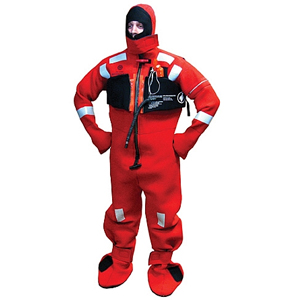
Shipboard LSA supply and service support covering life jackets, immersion suits, liferafts and other survival-equipment requirements.
View details →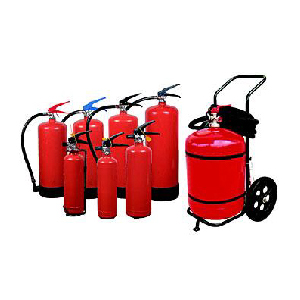
Portable extinguishers, fixed fire-extinguishing systems and associated marine FFA supply and service requirements.
View details →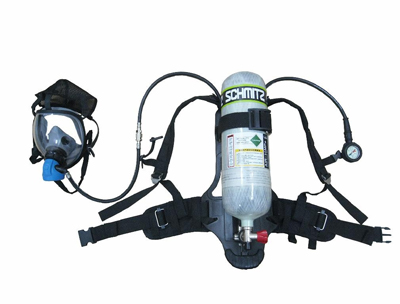
Self-contained breathing apparatus supply, servicing, cylinder-related requirements, spares and marine support.
View details →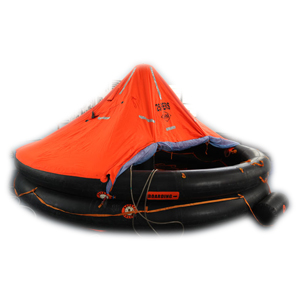
Liferaft servicing, supply, exchange and time-sensitive vessel support, subject to applicable service-station scope.
View details →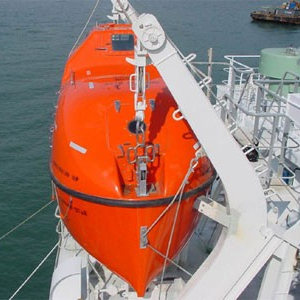
One point of contact for mixed LSA, FFA, SCBA, lifeboat, calibration and other shipboard safety requirements.
View details →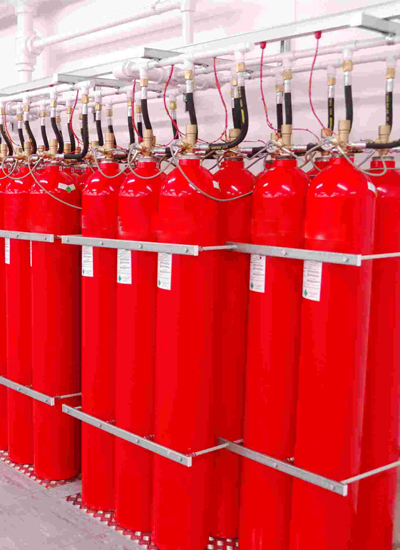
Review class, statutory and quality credentials together with the documentary evidence relevant to your requirement.
View details →LSA and FFA Services in India for Commercial Vessels
Requests for LSA services in India and FFA services in India often come with a practical deadline: a vessel is approaching survey, equipment is due, a defect has been reported, or procurement needs a service partner before the next port call. The commercial decision is therefore about more than locating a vendor. The buyer needs to know whether the equipment can be identified correctly, whether the required service falls within the available scope, what documentation will be returned, and whether the vessel schedule is realistic.
Life-Saving Appliances
LSA requirements can include life jackets, immersion suits, liferafts, lifeboat or rescue-boat related items and other survival equipment. Breathing and escape equipment such as EEBD may be handled alongside wider vessel-safety requirements, but it sits within the fire-safety regulatory context rather than the LSA Code. The correct service or supply decision depends on the exact item, maker, condition and vessel requirement.
Fire-Fighting Appliances
FFA work can range from portable and wheeled extinguishers to fixed CO₂, foam or dry-powder systems and breathing equipment. Each category has its own inspection, maintenance and documentary considerations.
SCBA & Breathing Apparatus
For SCBA, send the make/model, cylinder details, pressure, serial information, photographs and service history. This helps distinguish routine servicing from cylinder-related work, spares or fault investigation.
Where several items are due during the same vessel call, a single consolidated enquiry is usually easier to plan than separate messages to different departments. It allows the team to identify which tasks can be coordinated onboard, which equipment may need workshop movement, and where parts, replacement units or additional evidence are likely to be needed.
Class, Statutory & Quality Credentials
Where a purchase order or survey requires documentary evidence, use the certificate that relates to the work being ordered. The cards below show the issuing body and, where entered in WordPress, the recorded scope, certificate number and validity.
 ISO 9001:2015.Certificate details can be requested where relevant to the job.
 LRCertificate details can be requested where relevant to the job.
 BVCertificate details can be requested where relevant to the job.
 DNVCertificate details can be requested where relevant to the job.
 ABSCertificate details can be requested where relevant to the job.
 Govt of India (DG Shipping)Certificate details can be requested where relevant to the job.
What We Need to Understand Before Confirming a Job
A good marine quotation starts with equipment identification. Generic descriptions such as “fire extinguisher”, “life raft”, “SCBA set” or “life jacket” are often not enough. Maker plates, serial numbers, previous service certificates and clear photographs can prevent a wrong assumption before the vessel arrives.
| Information | How it helps |
|---|---|
| Vessel name and IMO number | Keeps the job tied to the correct vessel and fleet record. |
| Port, berth if known, ETA and ETD | Shows whether attendance, collection and return logistics fit the port-call window. |
| Equipment list and quantity | Allows manpower, workshop movement and likely consumables to be reviewed. |
| Make, model, serial or part number | Helps establish compatibility, service instructions and spare requirements. |
| Photographs and nameplates | Useful when the requisition uses a generic description or the exact model is uncertain. |
| Previous certificate or defect note | Provides service history and can reveal a known technical issue before attendance. |
| Required action | State supply, inspection, servicing, testing, repair, exchange, rental or replacement. |
| Class, flag or maker requirement | Helps the team review the evidence and scope needed for the specific job. |
Not every enquiry will have all of this information. When records are incomplete, a clear photograph of the complete unit and its identification plate is often the quickest place to start.
How a Vessel Service Enquiry Is Handled
Review the requisition
The first step is to separate each line item by equipment, quantity and required action. Missing identification is flagged before a firm commitment is made.
Check scope and evidence
Where approval, maker authorisation or specific documentation matters, the team checks the certificate or document that actually covers the requested work.
Plan the vessel window
Port, ETA/ETD, workshop movement, transport, parts and access are considered before attendance is confirmed.
Quote the known scope
The commercial offer should state what is included and identify items that may remain subject to inspection, opening-up or parts availability.
Attend, service or supply
The agreed job is carried out against the equipment and service requirements applicable to the work.
Close with records
Where the scope requires service documentation, the job should close with records that match the work actually completed.
Marine Safety Support from Mumbai to Major Indian Ports
Dipti Fire Services is based in Mumbai and handles enquiries connected with vessel calls around the Indian coastline. Operational coverage has historically included Mumbai, JNPT/Nhava Sheva, Dahej, Hazira, Kandla/Deendayal, Mundra, Sikka, Goa, Mangalore, Visakhapatnam, Kakinada, Haldia and Paradip. For a live job, attendance still depends on equipment, timing, logistics, approval scope and whether workshop support is required.
If the vessel has a short turnaround, send ETA and ETD in the first enquiry. If equipment must move ashore, the realistic completion time depends on transport, workshop capacity, inspection findings, parts and the time needed to return the equipment to the vessel.
Marine Safety Equipment Supply: Compare the Deliverable, Not Only the Price
Two quotations can look similar while covering different technical deliverables. For replacement equipment, compare the specification, approval, accessories, supplied documentation, warranty, spares and after-sales support. If one offer assumes reuse of existing accessories while another includes a complete assembly, the headline price is not a like-for-like comparison.
For fleet procurement, compatibility and serviceability also matter. Standardising a suitable product across several vessels can simplify spares and crew familiarity, but only where the selected equipment satisfies each vessel’s approved requirement. A supplier should be willing to ask for the information needed to make that distinction.
When One Vessel Call Includes LSA, FFA, SCBA and Life Raft Work
Mixed service lists are common. A vessel may have portable extinguishers due, a fixed-system item requiring attention, SCBA sets needing service, immersion suits to inspect and a liferaft approaching its due date. Treating every line as an unrelated request can make the planning harder.
Send one master list and, if possible, group the lines by equipment category. Mark what must be completed before sailing and what can be supplied later. This makes it easier to identify which tasks need onboard attendance, which need workshop work, and which depend on maker-specific parts or third-party coordination.
Experience Since 1976, Marine Safety Since 1991
Dipti Fire Services began in the fire-safety field in 1976 and expanded into marine safety and on-board servicing in 1991. A long history does not replace current competence, but it gives context to the company’s work with fire-protection equipment, shipboard safety systems and vessels operating with different generations of equipment.
For the customer, that experience should show up in practical ways: sensible questions before quoting, caution around unsupported approval claims, clear separation between known scope and inspection-dependent work, and service records that correspond to what was actually done. Those are stronger trust signals than broad statements such as “best quality” or “number one supplier”.
Who We Support
Ship owners & managers
Fleet-level supply, service planning, due-item coordination and support for vessels calling at Indian ports.
Technical superintendents
Equipment identification, defect information, service scope, evidence review and timing around surveys or vessel schedules.
Procurement teams
RFQ preparation, like-for-like quotation comparison, availability, documentation and commercial coordination.
Vessel agents
Port-call timing, access, receiving contacts, transport and coordination between vessel and shore-based service activity.
Offshore operators
Commercial marine safety equipment and service enquiries where the exact equipment and required approval can be established.
Industrial safety buyers
Selected breathing apparatus and fire-safety requirements where the requested equipment falls within available supply or service capability.
Practical Marine Safety Guides for Buyers and Technical Teams
Our articles focus on questions that arise during real procurement and service planning: what details to send for an SCBA quotation, how a liferaft service requirement is identified, what separates portable and fixed FFA systems, and how to avoid delays when a vessel has a short port-call window. The aim is to help a buyer prepare a clearer request before contacting the service team.
How to Compare Marine Safety Quotations Properly
A marine safety quotation is easier to compare when the scope is explicit. One supplier may quote only labour while another includes transport, consumables, certificates and specific replacement items. Procurement should not treat the totals as equivalent until the inclusions are understood.
| Compare | Questions worth asking |
|---|---|
| Technical specification | Are both quotations offering the same model, capacity, approval, accessories and compatibility? |
| Service scope | Does the price include inspection, testing, consumables, calibration, repairs or only basic attendance? |
| Condition-dependent items | Which parts or replacements will be charged only if found necessary after inspection? |
| Documentation | What service record, certificate, test report or job sheet is included at completion? |
| Logistics | Are collection, delivery, port entry, onboard attendance and workshop movement included? |
| Turnaround | Is the completion time a firm commitment or subject to spares, inspection findings or vessel access? |
| Approval evidence | Does the quoted service fall within the current approval or maker scope required by the vessel? |
A clear quotation may look more detailed than a one-line offer, but that detail helps the buyer understand exactly what the vessel will receive.
Lifeboat, Rescue-Boat and Calibration Requirements
Marine safety lists often include lifeboat or rescue-boat equipment and calibration-related work alongside LSA and FFA items. These requirements can involve separate competent-person, maker or procedural expectations. If the request includes such work, identify the exact equipment, previous records and required certificate rather than grouping everything under “annual safety service”.
Where Dipti Fire Services can support the requested scope directly, the quotation can reflect that. Where a job needs another authorised specialist or different facility, identifying that early is better than discovering it after the vessel has berthed.
Frequently Asked Questions
What marine safety equipment does Dipti Fire Services handle?
Commercial enquiries cover life-saving appliances, fire-fighting appliances, SCBA and breathing apparatus, life rafts and related shipboard safety equipment. Exact availability and service scope depend on the item, maker, condition and required approval.
Does Dipti Fire Services provide LSA services in India?
Yes, LSA supply and service enquiries are reviewed for vessels and marine operators in India. Send the item list, make/model where known, previous certificates, vessel, port and required completion date.
Does Dipti Fire Services provide FFA services in India?
Yes, the company handles commercial FFA enquiries covering portable and fixed fire-fighting equipment. The exact scope depends on the system, maker, vessel requirement and applicable approval.
Can one enquiry include LSA, FFA, SCBA and liferaft items?
Yes. A consolidated list is often easier to plan. Keep each line clear and state whether you need supply, inspection, service, testing, repair, exchange, rental or replacement.
Which Indian ports can be supported?
Dipti Fire Services is Mumbai-based and reviews requirements connected with major Indian ports. Availability is confirmed against the actual port, vessel schedule, equipment and job scope.
What should I send when the equipment model is unknown?
Send clear photographs of the full unit, identification plate, serial number, connections and any previous certificate or service record. This is often enough to begin identification.
How should I check a class approval?
Where an approval is required, review the current certificate, validity and scope that corresponds to the service or product being ordered. A logo by itself is not a complete approval record.
Can the team attend a short vessel call?
Potentially, but timing needs to be reviewed before commitment. Send ETA/ETD, port, equipment list and any item that must move to a workshop or return onboard before sailing.
What information helps obtain a faster quotation?
Vessel and port details, ETA/ETD, equipment make/model, quantity, photographs, required work, previous certificate and any class/flag/maker requirement are the most useful starting points.
Need a Marine Safety Quotation?
Send the vessel, port, ETA/ETD and equipment list. The technical and commercial team can then review the requirement against the actual job.